




Поскольку мировой спрос на умную садовую технику продолжает расти, модель ODM для роботизированных газонокосилок становится предпочтительным выбором для все большего числа брендов, выходящих на рынок. Для B2B-клиентов ODM не только эффективно снижает инвестиции в НИОКР, но и значительно сокращает циклы разработки продукции, ускоряя время, необходимое бренду для перехода от концепции к рынку.
В данном руководстве представлен систематический анализ возможностей настройки, процессов разработки, структуры затрат и ключевых моментов при выборе поставщиков в секторе ODM роботизированных газонокосилок.

Что такое Робот газонокосилка ODM?
ODM (Original Design Manufacturer) - это модель, при которой производитель отвечает за общий дизайн и разработку продукта, а владелец бренда предоставляет требования рынка или направление бренда для получения готовых к продаже готовых продуктов или полуфабрикатов.
If you’re looking for a broader overview — covering everything from OEM vs ODM decision frameworks to supplier evaluation and the complete China manufacturing landscape — read our полное руководство по робот газонокосилка OEM/ODM в Китае
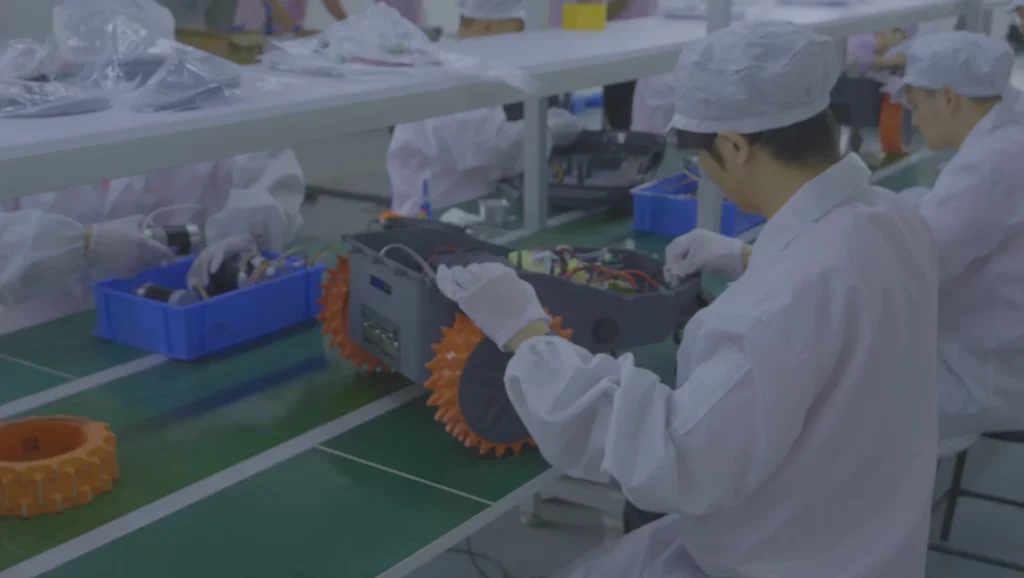
В отрасли роботизированных газонокосилок ODM обычно охватывает весь процесс от разработки до серийного производства, включая:
- Структурное проектирование изделий
- Разработка аппаратных систем
- Интеграция программного обеспечения и систем управления
- Производство и проверка качества
Разница между ODM и OEM
- OEM (Original Equipment Manufacturing): Клиент предоставляет полный план дизайна, а фабрика производит продукцию в соответствии со спецификациями.
- ODM (дизайн + производство): Фабрика предлагает проверенные решения или индивидуальные разработки, которые владелец бренда может непосредственно выбрать или модифицировать.
Для трансграничных брендов, стартапов и B2B-клиентов, стремящихся к быстрому выходу на рынок, модель ODM обычно предлагает больше преимуществ с точки зрения контроля затрат и эффективности вывода продукции на рынок.
Почему B2B бренды выбирают робот газонокосилка ODM?
Основная ценность выбора ODM-модели газонокосилки-робота заключается в том, что она помогает брендам выводить продукцию на рынок быстрее и с меньшими затратами, повышая их конкурентоспособность на рынке.
1. Значительное сокращение расходов на НИОКР
Разработка роботизированной газонокосилки собственными силами требует значительных ресурсов на управление двигателем, алгоритмы навигации, проектирование конструкции, тестирование и валидацию, что приводит к высоким общим затратам. В отличие от этого, ODM использует зрелые технологические платформы, которые могут быть непосредственно адаптированы или оптимизированы, что значительно сокращает первоначальные инвестиции в НИОКР.
2. Ускорить время выхода на рынок
ODM обычно включает в себя итерационную оптимизацию существующих, проверенных решений, сокращая традиционный цикл разработки, который часто превышает 12 месяцев, до примерно 3-6 месяцев, что помогает брендам быстрее использовать рыночные возможности.
3. Повышение конкурентоспособности бренда на рынке
Благодаря модели ODM бренды могут быстро запускать линейки продуктов с различными конфигурациями и позиционированием на рынке, чтобы удовлетворить разнообразные потребности рынка, тем самым расширяя охват продукции и повышая оперативность реагирования на запросы рынка.
4. Адаптация к различным бизнес-моделям B2B
Модель ODM обеспечивает высокую гибкость и подходит для широкого круга бизнес-клиентов, в том числе:
- Трансграничные продавцы на Amazon и независимых сайтах
- Марки садовой и уличной техники
- Региональные дистрибьюторы и оптовики
Благодаря ODM компании могут больше сосредоточиться на работе с брендом и продажах на рынке, а сложные исследования и разработки и производство доверить специализированным заводам.
Какие аспекты могут быть настроены в рамках ODM-партнерства с роботизированной газонокосилкой?
При выборе ODM-партнера по производству газонокосилок-роботов возможности кастомизации являются одним из наиболее важных факторов оценки для B2B-клиентов. В целом, кастомизация ODM охватывает весь жизненный цикл продукта - от внешнего дизайна до интеллектуальных систем - что позволяет брендам создавать дифференцированный портфель продуктов.
1. Настройка внешнего вида и структуры
Дизайн внешнего вида - это первый шаг в создании узнаваемости бренда на рынке и наиболее интуитивный способ дифференциации продукта.
Настраиваемые элементы включают:
- Проектирование жилищных конструкций и разработка пресс-форм
- Выбор цвета и материала изделия
- Нанесение логотипа бренда (трафаретная печать, лазерная гравировка и т.д.)
- Дизайн системы упаковки (коробки для розничной торговли, транспортная упаковка и общий визуальный стиль)
Это помогает брендам создать единую систему визуальной идентификации и повысить узнаваемость на рынке.
2. Функциональная настройка системы
Функциональные конфигурации напрямую определяют позиционирование продукта на рынке и его способность адаптироваться к конкретным сценариям использования.
Настраиваемые функции включают:
- Диапазоны регулировки ширины и высоты резания
- Оптимизация емкости аккумулятора и времени работы
- Степень водонепроницаемости (например, IPX5 / IPX6)
- Максимальная адаптация к склону
- Борьба с шумом и общая оптимизация работы
Это гарантирует, что продукт будет лучше соответствовать практическим потребностям использования в разных странах и садовых условиях, повышая тем самым конкурентоспособность на рынке.
3. Настройка навигационных и интеллектуальных систем (основные технологические модули)
Это наиболее технически продвинутый аспект ODM-кастомизации и наиболее важный фактор для дифференциации продукта.
Доступные технические решения включают:
- Система пограничных проводов
- Система позиционирования GPS
- Технология высокоточного позиционирования RTK
- Навигация на основе искусственного зрения (AI Vision)
- Лидарная система предотвращения столкновений
- Алгоритм предотвращения столкновения с препятствиями с использованием нескольких датчиков
Это напрямую определяет принадлежность продукта к рынку начального, среднего или высокого уровня и является ключевым фактором, влияющим на общее позиционирование продукта.
4. Настройка программного обеспечения и прикладных систем
В секторе интеллектуальных устройств опыт использования программного обеспечения стал важнейшим фактором, влияющим на удовлетворенность пользователей.
Настраиваемые функции включают:
- Многоязычный интерфейс приложения (адаптированный для различных зарубежных рынков)
- Интеллектуальное планирование траекторий и графиков кошения
- Функции удаленного управления устройством
- Система обновления OTA (Over-the-Air)
- Бэкэнд для управления пользовательскими данными и устройствами
Это оптимизирует пользовательский опыт и повышает долгосрочное удержание пользователей и возможности экосистемы бренда.
5. Персонализация бренда и коммерческой продукции (Private Label)
ODM - это не только решение для разработки продукта, но и ключевой метод для быстрого внедрения бренда.
Настраиваемые функции включают:
- Решения для частных марок
- Фирменный дизайн пользовательского интерфейса
- Индивидуальные руководства и упаковка продукции
- Планирование продуктов для нескольких SKU (с учетом особенностей различных рынков)
- Дизайн упаковки, соответствующий требованиям платформ электронной коммерции (например, стандартам Amazon).
Это помогает брендам быстро создавать комплексную экосистему продуктов, обеспечивая плавный переход от продукта к бренду.
Робот газонокосилка ODM процесс развития
Полный ODM-проект роботизированной газонокосилки обычно следует стандартному процессу разработки, охватывающему весь путь от подтверждения требований до окончательной поставки в массовое производство, включая определение продукта, инженерную разработку, проверочные испытания и крупносерийное производство.
Шаг 1: Сообщение о требованиях и позиционирование на рынке
Ключевым моментом на этапе инициации проекта является уточнение направления развития продукта и целевого рынка, что служит основой для всего процесса разработки ODM.
В первую очередь это касается:
- Выбор целевого рынка (Европа / Северная Америка / Австралия и т. д., поскольку правила и условия использования в разных регионах отличаются)
- Позиционирование продукта (линейки продуктов начального уровня / среднего уровня / высокого уровня)
- Подтверждение основных функций и требований к производительности (например, методы навигации, время автономной работы, возможность адаптации к склону)
- Определение ценового диапазона и бизнес-модели (розничная торговля, электронная коммерция или каналы распространения)
Этот этап напрямую определяет техническую дорожную карту продукта, структуру затрат и сложность последующей разработки.
Шаг 2: Разработка решения (промышленный дизайн + инженерный дизайн)
После уточнения требований продукт переходит в фазу разработки решения, которая является важнейшим этапом перехода от “концепции” к “инженерной реализации”.”
В первую очередь это касается:
- Промышленный дизайн (проектирование идентификаторов, определение формы продукта и стиля бренда)
- Конструктивное проектирование (общая структура, выбор материалов и монтажные решения)
- Выбор систем управления и навигационных решений (например, RTK / GPS / Vision / Boundary Line)
- Выбор ключевых компонентов (моторы, батареи, датчики и т.д.)
На этом этапе требования к продукту преобразуются в технологические решения, пригодные для массового производства.
Шаг 3: Разработка прототипа (проверка прототипа)
Прототип создается на основе проектных спецификаций для функциональной проверки и структурного тестирования, что является критически важным этапом проверки в проектах ODM.
Основные виды деятельности включают:
- Изготовление прототипов и окончательная сборка
- Тестирование основных функций (кошение, навигация, обход препятствий и т.д.)
- Испытания на прочность конструкции и эксплуатационную устойчивость
- Первые отзывы о проблемах и оптимизация дизайна
Проверка прототипа подтверждает осуществимость конструкции и служит основой для последующей итеративной оптимизации.
Шаг 4: Испытания и сертификация (проверка соответствия и надежности)
Перейдите к этапу систематического тестирования, чтобы убедиться, что продукт соответствует нормативным требованиям целевого рынка и демонстрирует долгосрочную надежность.
Основные компоненты включают:
- Испытания на долговечность (длительная эксплуатация и циклические испытания)
- Испытания на устойчивость к воздействию окружающей среды (водонепроницаемость, пылезащита, перепады температур и т.д.)
- Тестирование характеристик безопасности (защита аккумулятора, аварийное отключение и т.д.)
- Подготовка к международной сертификации (CE / FCC / RoHS и т.д.)
Этот этап гарантирует соответствие продукта требованиям для выхода на основные рынки, такие как Европа и США.
Шаг 5: Опытное производство (Pilot Run)
Проведите валидацию мелкосерийного производства до начала полномасштабного массового производства, чтобы подтвердить стабильность процесса и зрелость цепочки поставок.
Основные компоненты включают:
- Валидация производственных процессов (оптимизация процесса сборки и эффективности)
- Проверка стабильности цепочки поставок критически важных компонентов
- Мелкосерийное опытное производство и тестирование консистенции
- Сбор информации о производственных проблемах и корректировка оптимизации
Этот этап снижает риски массового производства и обеспечивает стабильность и надежность последующего крупносерийного производства.
Шаг 6: Массовое производство и доставка
Проект вступает в завершающую стадию коммерциализации, обеспечивая стабильное производство и поставки на мировой рынок.
Основные компоненты включают:
- Управление серийным производством и наращиванием объемов
- Сплошной контроль качества (IQC / IPQC / OQC)
- Выборочный контроль готовой продукции и проверка надежности
- Выполнение заказов по всему миру и логистическая доставка
Это гарантирует, что продукция выходит на рынок с неизменным качеством и стабильными поставками, поддерживая долгосрочные продажи бренда.
Сроки разработки проектов ODM и требования к MOQ
В ODM-проектах роботизированных газонокосилок сроки разработки и минимальное количество заказа (MOQ) - это два ключевых показателя, на которые B2B-клиенты обращают наибольшее внимание на этапе принятия решений, поскольку они напрямую влияют на ход реализации проекта, капиталовложения и общую коммерческую жизнеспособность.
1. Цикл разработки (сроки реализации проекта)
Цикл разработки ODM варьируется в зависимости от уровня кастомизации и технической сложности, и в целом может быть разделен на следующие два сценария:
- Стандартные ODM-проекты: Приблизительно 3-6 месяцев
Они предполагают функциональную корректировку или незначительную кастомизацию на основе уже готовой платформы, что приводит к относительно короткому циклу разработки. Они подходят для брендов, стремящихся к быстрому выходу на рынок. - ODM-проекты с высокой степенью кастомизации: Приблизительно 6-12 месяцев
Они включают в себя структурные изменения, модернизацию навигационных систем или глубокую настройку программного обеспечения, что требует более длительных циклов НИОКР, тестирования и проверки.
Продолжительность цикла разработки в первую очередь зависит от степени инновационности продукта и сложности технической интеграции.
2. Минимальное количество заказа (MOQ)
MOQ обычно тесно связан со степенью кастомизации продукта и требованиями к разработке пресс-формы.
- Основные модели ODM
Они используют существующие, зрелые структурные и платформенные решения, обычно имеют более низкую стоимость и лучше подходят для брендов, тестирующих рынок или работающих в небольших масштабах. - Глубоко индивидуализированные модели
Они связаны с разработкой пресс-форм или структурной перестройкой стержня и, как правило, требуют более высоких MOQ, чтобы распределить расходы на разработку и оснастку.
Как правило, чем выше степень персонализации, тем выше требования к MOQ.
3. Факторы стоимости
Стоимость ODM-проекта определяется не одним фактором, а зависит от множества технических модулей, в первую очередь включающих:
- Сложность навигационной системы (например, RTK / LiDAR / решения для искусственного зрения)
- Конфигурация батареи и силового агрегата (диапазон и номинальная мощность)
- Затраты на разработку пресс-формы и конструкцию (глубина внешнего вида и конструктивных особенностей)
- Степень кастомизации программного обеспечения и приложений (функциональная сложность и объем работы по разработке)
Различные комбинации конфигураций напрямую влияют на общую структуру затрат и конечное позиционирование устройства на рынке.
Как выбрать надежного производителя роботов-газонокосилок ODM?
В ODM-проектах роботизированных газонокосилок выбор поставщика напрямую влияет на качество продукции, эффективность разработки и конечные рыночные показатели. Поэтому, оценивая ODM-производителей, B2B-клиенты должны проводить комплексную оценку на основе множества факторов, включая возможности НИОКР, зрелость продукции, системы соответствия и опыт поставок.
1. Обладают ли они собственным научно-исследовательским потенциалом?
Основная конкурентоспособность ODM-производителя отражается в первую очередь в его возможностях в области исследований и разработок, а не только в производственных мощностях.
Ключевые моменты оценки:
- Есть ли у производителя независимая команда разработчиков?
- Обладает ли производитель способностью разрабатывать системы и алгоритмы управления (например, логику навигации и обхода препятствий)?
- Имеет ли производитель возможность интегрировать комплексные системы?
Чем сильнее потенциал НИОКР, тем лучше поддержка глубокой кастомизации и дифференциации продукции.
2. Есть ли у них зрелая продуктовая платформа?
Зрелая продуктовая платформа позволяет значительно снизить риски при разработке и сократить цикл разработки.
Ключевые точки оценки:
- Есть ли у них уже модели газонокосилок-роботов в стабильном массовом производстве?
- Обладают ли они возможностями модульной конструкции (для быстрой настройки)?
- Поддерживают ли они быстрые итерации и обновления на базе существующей платформы?
ODM-производители с развитыми платформами, как правило, выпускают более стабильные продукты и несут меньшие риски при разработке.
3. Обладают ли они возможностями для международной сертификации и обеспечения соответствия?
Роботы-газонокосилки - это экспортно-ориентированные продукты, и от их соответствия требованиям напрямую зависит, смогут ли они выйти на целевые рынки.
Ключевые моменты оценки:
- Обладают ли они возможностью сертификации CE (европейский рынок)?
- Возможность получения сертификата FCC (рынок США)
- Соответствие экологическим стандартам RoHS
- Знакомство с нормативными требованиями в разных странах
Недостаточный уровень соответствия напрямую приведет к невозможности выхода продукции на рынок или задержке продаж.
4. Поддержка интегрированной разработки аппаратного и программного обеспечения
Современные “умные” газонокосилки превратились из отдельных аппаратных продуктов в "интегрированные программно-аппаратные интеллектуальные системы".”
Ключевые точки оценки:
- Поддерживает ли поставщик одновременную разработку приложений и оборудования?
- Имеются ли у поставщика возможности удаленного обновления OTA (по воздуху)?
- Есть ли у провайдера возможности управления облаком или данными?
- Разрабатываются ли программное и аппаратное обеспечение совместно одной и той же командой?
Возможность интеграции программного и аппаратного обеспечения определяет потенциал долгосрочного обновления продукта и удобство работы с ним.
5. Есть ли у них подтвержденный опыт экспорта и массового производства?
Наличие у ODM-производителя возможности поставлять продукцию на мировые рынки является ключевым фактором, обеспечивающим стабильную реализацию проекта.
Ключевые моменты оценки:
- Знакомы ли они со стандартами продукции и привычками пользователей на европейском и американском рынках?
- Есть ли у них стабильная цепочка поставок и производственная система?
- Есть ли у них опыт работы с оптовыми поставками и перевозками?
- Могут ли они поддерживать долгосрочные поставки и послепродажное обслуживание?
Производители, имеющие опыт работы на экспорт, лучше подготовлены к снижению неопределенности, связанной с трансграничными проектами.
Выбор ODM-производителя роботов-газонокосилок - это, по сути, выбор долгосрочного технического партнера и партнера по цепочке поставок. Для B2B-клиентов всесторонняя оценка возможностей НИОКР, зрелости платформы, систем соответствия и опыта поставок может эффективно снизить риски проекта и значительно повысить вероятность успеха продукции.
Заключение
В целом, компания Robot Lawn Mower ODM предлагает брендам B2B эффективный путь для выхода на рынок интеллектуальных газонокосилок. Каждый шаг - от настройки продукта и процессов разработки до структуры затрат и выбора поставщиков - напрямую влияет на рыночные характеристики и коммерческий успех конечного продукта.
Для брендов ключевым моментом является не оптимизация отдельных этапов, а системное понимание всего процесса ODM и выбор партнеров с научно-исследовательским потенциалом, развитыми платформами и надежными возможностями поставки. Только так бренды смогут добиться стабильного выхода на рынок и долгосрочного роста на высококонкурентном рынке умного садового оборудования.
Вопросы и ответы
Какие бренды подходят для ODM проектов Robot Lawn Mower?
Модель ODM обычно подходит для брендов, которые имеют четкое направление на рынке, но не имеют собственных возможностей для проведения исследований и разработок или хотят быстро выйти на рынок. К ним относятся стартапы, трансграничные продавцы электронной коммерции, а также уже состоявшиеся компании, занимающиеся производством оборудования для ландшафтного дизайна и желающие расширить ассортимент своей продукции.
Повлияет ли кастомизация ODM на будущие обновления или итерации продукта?
Нет. Стандартные ODM-решения, как правило, основаны на модульной архитектуре, что позволяет в будущем обновлять функциональность, например, обновлять программное обеспечение, оптимизировать навигационную систему или расширять возможности приложений, не затрагивая при этом структуру исходного продукта.
На каких этапах процесса разработки ODM бренд должен участвовать?
Бренд, как правило, должен участвовать в подтверждении позиционирования продукта, выборе основных функций, доработке эстетики дизайна и проведении обзоров на ключевых этапах. ODM-производитель возглавляет и завершает оставшиеся этапы инженерной разработки и тестирования.
В чем принципиальная разница между роботизированными газонокосилками ODM и готовыми изделиями, представленными на рынке?
ODM-продукты - это, по сути, “настраиваемые стандартизированные платформы”. По сравнению с покупкой готовых моделей, ODM-решения позволяют корректировать внешний вид, функциональность, навигационные системы и программное обеспечение, что делает их более подходящими для B2B-клиентов, стремящихся к дифференциации бренда, в то время как готовые модели ориентированы на стандартизированные продажи.
Поддерживают ли роботы-газонокосилки ODM соответствие нормативным требованиям в разных странах?
Да. В зрелые ODM-решения обычно заранее закладывается соответствие требованиям целевого рынка - например, электробезопасность, стандарты беспроводной связи и экологические требования, чтобы соответствовать критериям доступа на рынок разных стран.
Воплотите свою идею роботизированной косилки в производство
Пользовательское OEM/ODM производство - PCBA, Сборка, монтаж и логистика от одного партнера.
- Быстрое выполнение заказа от разработки до доставки
- Доверие брендов по всему миру
- Бесплатный обзор DFM до того, как вы возьмете на себя обязательства
- Выделенный инженер в течение 24 часов

Эксперт в области робототехники, увлеченный изучением широкого спектра роботов, роботов, которые делают работу более эффективной, изучением роботов, включая мобильных роботов, роботов-газонокосилок.


