
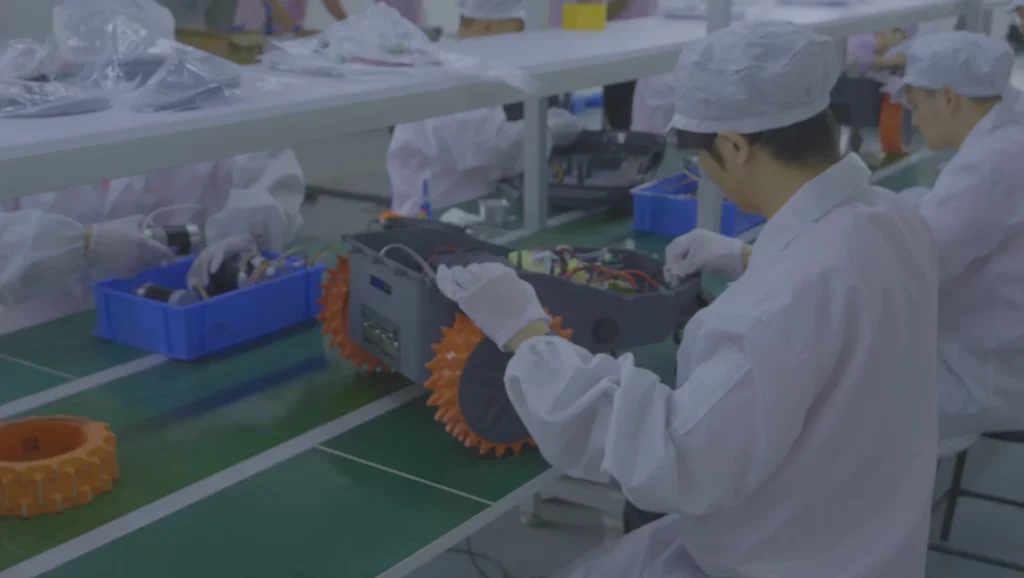








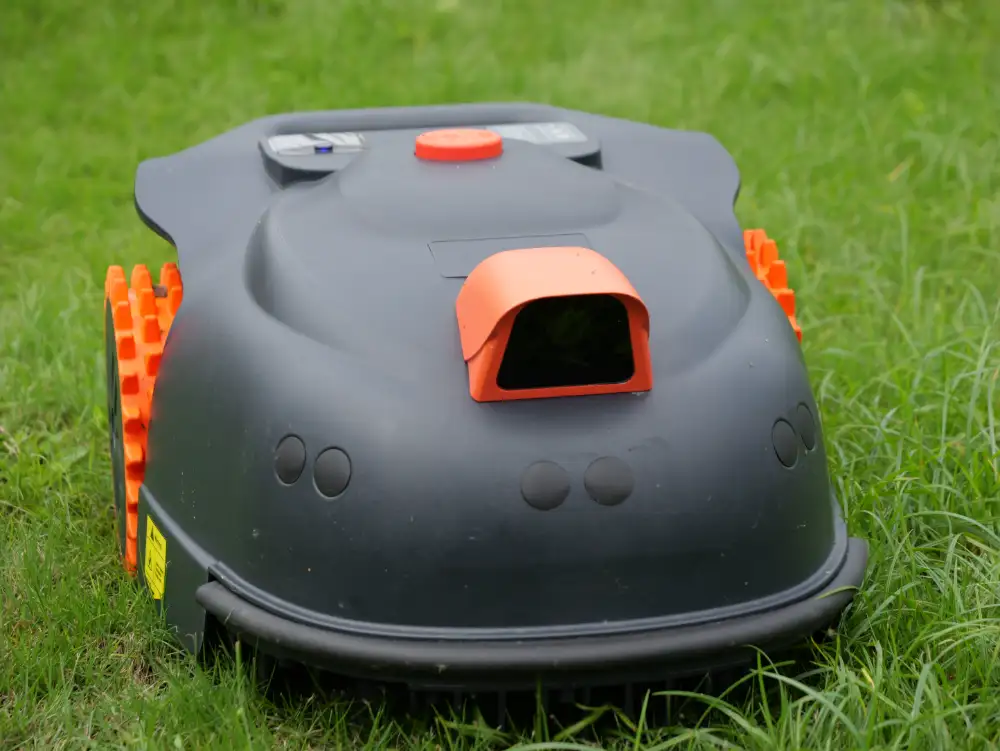

The RTK Vision Robot Lawn Mower without perimeter wire uses high-precision RTK positioning combined with vision-based navigation to map and mow lawns autonomously. It doesn’t require physical boundary wires, allowing flexible and efficient wire-free operation.
The RTK Vision Robot Lawn Mower without perimeter wire adapts automatically to different grass types and inclines, maintaining consistent cutting quality across varied commercial lawns.
Even without perimeter wire, RTK positioning ensures centimeter-level accuracy. Together with vision sensors, the mower can follow precise paths, adapt to uneven terrain, and maintain consistent cutting quality for commercial lawns.
The mower combines RTK with vision and inertial sensors. If signals drop, it continues operating safely without perimeter wire, relying on vision-based navigation to detect obstacles and adjust its route in real time.
Vision sensors allow the mower to detect obstacles, lawn edges, and moving objects. This ensures wire-free RTK robotic mowers can operate safely in commercial environments like parks, golf courses, and campuses.