







Background on the Birth and Development of Early Lawnmowers
Origin of Lawn Mowers
The origins of lawnmowers can be traced back to the early 1800s. At that time, with the growth of agriculture and the increased need for grass maintenance, mowing became a common daily task, especially in large lawns and pastures in places like England. Traditional mowing methods relied on hand tools such as scythes, which were inefficient and labor intensive. In order to solve this problem, lawn mowers began to be introduced.
In 1830, British engineer Edwin Budding invented the world’s first mechanical lawn mower. Inspired by the shears used in the textile industry, the mower used a rotating blade to cut the surface of the lawn. Budding’s invention not only greatly improved the efficiency of lawn mowing, but also reduced the need for labor, and quickly spread to large estates, gardens, and public places.
In 1832, the Ransomes Agricultural Machinery Company began mass production of drum mowers.
In 1902, the British London Enns manufactured an internal combustion engine powered drum mower, the principle of which is used to this day, we generally see in the United States countryside television is this kind of weed whacker, the use of which can be very easy to trim the lawn!
The Development of the Power Mower: From Steam to the Internal Combustion Engine
· The rise of steam-powered lawn mowers
As the industrial revolution progressed, the use of steam-powered technology in lawn mowing equipment emerged, and in the late 1800s, the introduction of steam-powered lawn mowers brought greater efficiency to large-scale lawn maintenance. This type of mower is able to handle large areas of lawn in a short period of time by pushing a piston through steam generated by a boiler, which drives the machine. Despite their large size and complex operation, they were widely used on vast estates, pastures and public green spaces, significantly reducing maintenance costs and labor intensity.
The advent of the steam-powered mower marked an important turning point in mowing technology. It proved the viability of powered machinery in grass maintenance and laid the foundation for the later internal combustion engine mower. in the early 1900s, with the development of internal combustion engine technology, mowers were gradually transformed from steam power to internal combustion engines. Internal combustion engine mowers are lighter, easier to operate, and more versatile than steam-powered mowers, driving the popularity of mowers in home and commercial lawn maintenance.
Regarding the relevant cases of power mowers, there are several representative examples in history:
- Ransomes’ steam lawn mower
The British company Ransomes introduced the first commercial steam mower in the late 19th century, a machine primarily used for lawn maintenance on large estates and public green spaces. It was powered by a small steam engine and was able to mow lawns efficiently. In some large estates and public places in the UK, Ransomes’ steam mowers were widely used and became the iconic equipment for efficient lawn mowing at the time.
- Promotion of internal combustion engine lawn mowers in the United States
In the early 20th century, American companies began to develop internal combustion engine mowers, which soon replaced steam power. 1902, Suffolk Iron Foundry produced the first internal combustion engine mower, which was not only lighter than a steam mower, but also easier to operate. These internal combustion engine mowers quickly became popular in European and American homes and commercial establishments, driving the modernization of lawn care equipment, and Suffolk mowers even became one of the symbols of home gardening.
- England’s manor use case
During the Victorian era, some large manor houses and parks in England were the first to use steam-powered lawn mowers for lawn maintenance, in order to keep large areas of green space clean and beautiful. These machines could efficiently mow lawns in a short period of time, which met the high demand of the aristocracy for tidiness in the manors at that time, and also demonstrated the progress of industrialization. These estates still have some of these machines on display today as a testament to their history.
These examples show the application of steam mowers and internal combustion engine mowers at different stages, which not only solved the problem of large-area grass maintenance, but also pushed forward the continuous progress of mower technology and laid a solid foundation for the development of modern lawn care equipment.
· Popularization of Internal Combustion Engine Mowers
In the early 20th century, with the maturity of internal combustion engine technology, lawn mowers gradually shifted from steam power to internal combustion engine drive, opening a new chapter in the popularization of lawn mowers. Compared to the bulky steam-powered mowers, internal combustion engine mowers were more efficient and easier to operate, making them suitable for a wider range of scenarios. This shift has led to the widespread use of lawn mowers not only in the commercial sector, but also into the average home as a common tool for yard and lawn maintenance.
Internal combustion engine mowers have greatly enhanced the efficiency of lawn care with their lightweight, easy-to-start, and simple-to-maintain advantages. For example, early gasoline lawn mowers could be used with a simple pull-cord start, eliminating the need for complicated operating procedures. This convenience attracted a large number of users, making lawn mowers rapidly popularized in Europe and the United States and other places, becoming an important tool for home gardening. At the same time, the introduction of internal combustion engine mowers also led to the rise of lawn culture, more and more families began to pay attention to the yard and green space of the beautiful and tidy.
The popularity of internal combustion engine mowers not only represents the progress of mowing technology, but also promotes the development of the lawn care industry. With the successive introduction of different types and powers of internal combustion engine mowers, users can choose the appropriate model according to the lawn area and terrain, greatly improving the efficiency and quality of mowing. This technological innovation has laid the foundation for the development of modern automated mowing equipment and has had a profound impact on the development of lawn care equipment.
The Rise of Electric Mowers and Environmental Awareness
· The Concept of Emission-free Mowers
With the rising awareness of environmental protection, the lawn mower industry is gradually focusing on low-emission and low-noise products. As a typical representative of emission-free mowers, electric mowers meet the modern users’ needs for environmental protection and quiet operation. Compared with traditional internal combustion engine mowers, electric mowers have no exhaust emissions and do not produce harmful gases such as carbon monoxide, which fundamentally solves the air pollution problem. For environmentally conscious users, electric lawn mowers become an ideal choice.
Another major advantage of electric lawn mowers is low noise. Electric motors are much quieter than internal combustion engines during operation, which is suitable for residential areas, schools, parks and other places that need to be kept quiet. In addition, electric mowers are simple to start and operate, and many models come with rechargeable batteries that avoid the need for power cords, allowing users more freedom in lawn care. These features have made electric lawn mowers quickly gain favor in the marketplace, gradually becoming the benchmark for non-polluting, low-noise lawn mowing equipment.
The concept of emission-free mowers not only caters to the global trend of environmental protection, but also promotes technological upgrades in the mower industry, making lawn care more sustainable and efficient. This innovation opens up a new direction for the mower industry and promotes the promotion of green gardening tools.
· Applications and Convenience of Cordless Electric Mowers
Cordless electric lawn mowers have risen rapidly in the market with their high degree of convenience, becoming a popular choice in lawn maintenance equipment in recent years. Compared to traditional corded electric mowers, the cordless design avoids the restriction of cables, allowing users to move more freely and cover large lawns with ease, especially for sites with complex terrain. This design greatly enhances operational flexibility and mowing efficiency.
Cordless electric lawn mowers are usually equipped with high-capacity rechargeable batteries with a high range, making them suitable for most domestic and small commercial scenarios. Advances in battery technology have also improved usage time and charging speed, allowing users to complete most lawn maintenance tasks in a short period of time. In addition, these lawn mowers still maintain the low noise and non-polluting characteristics of electric equipment, making them more environmentally friendly and suitable for use in residential areas and places that require quietness.
The market demand for cordless electric lawn mowers is also increasing. With the improvement of consumers’ awareness of environmental protection and their demand for convenience, cordless electric lawn mowers are gradually replacing traditional internal combustion engine lawn mowers and corded electric lawn mowers, becoming the mainstream choice for home and commercial lawn maintenance. The popularity of cordless electric mowers not only promotes the development of green gardening tools, but also promotes the intelligence and convenience of mowing equipment, making lawn care easier and more efficient.
The Rise of Robotic Lawnmowers: a Trend Toward Intelligence
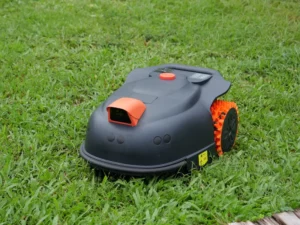
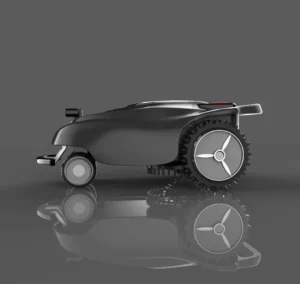
With the rapid development of technology, robotic lawn mowers are emerging as an important innovation in the field of lawn care. This intelligent mowing equipment combines automation, sensor technology and artificial intelligence to autonomously complete lawn mowing tasks. The rise of robots marks a fundamental shift in the way lawns are maintained.
Robotic mowers typically work based on GPS positioning, sensors and boundary line technology. Users can set up mowing areas and mowing schedules, and the robot will automatically start at a specified time to mow along a preset path. It intelligently recognizes the boundaries of the lawn and avoids obstacles, resulting in efficient and safe mowing operations. This automated process not only saves labor costs, but also reduces the user’s labor intensity.
In addition, robotic lawn mowers have excellent environmental performance. They are usually battery-powered, run noiselessly and produce no emissions, making them suitable for use in residential areas and parks. With consumers’ emphasis on environmental protection and convenience, the market demand for robotic lawn mowers is growing.
The rise of the intelligent trend not only improves the performance and user experience of lawn mowers, but also promotes technological innovation in the entire horticultural industry. In the future, with the development of smart home technology, robotic lawn mowers are expected to be linked with other smart devices to provide users with more comprehensive smart gardening solutions.
· Definition and Working Principle of Robotic Lawn Mower
Robotic lawn mower is an intelligent device that can autonomously complete lawn mowing tasks, combining automation technology and modern sensor applications. Its basic working principle mainly includes automatic navigation, obstacle recognition, boundary detection and intelligent scheduling.
1. Automatic navigation: Robotic lawn mowers are equipped with advanced navigation systems that typically utilize GPS, laser radar (LiDAR), or vision sensors to map the lawn and determine the mowing path. These systems are capable of updating the position in real time to ensure that the machine does not stray from the pre-determined area while mowing.
2. Sensor applications: The machine is equipped with a variety of sensors inside to detect the surrounding environment. These sensors can recognize the boundaries of the lawn and avoid colliding with obstacles, such as trees, flower beds, etc. In addition, some high-end models are equipped with rainfall sensors that can automatically return to the charging station when it rains to protect the machine and battery.
3. Intelligent scheduling: Users can set up a mowing schedule, including mowing time and frequency, through a mobile app or control panel. The robotic mower can automatically start according to these settings and work on a predetermined route. This smart scheduling feature not only improves mowing efficiency, but also ensures that the lawn is regularly maintained.
With this technology, the robotic mower is highly automated, allowing the user to simply make the initial settings and enjoy lawn care without human intervention. Its intelligent features make lawn mowing easier and more efficient, making it suitable for the needs of modern homes and commercial establishments.
· Evolution of Intelligent Functions
The smart features of robotic lawn mowers have evolved in recent years to provide users with a more convenient and efficient lawn care experience. Here are a few key smart advancements:
Self-charging
The robotic lawn mower has a self-charging feature. When the power level falls below a certain level, the mower will automatically return to the charging dock for recharging. When finished, it can automatically resume work without the user having to manually operate it. This self-charging design allows the mower to keep working efficiently and avoid interruptions due to low battery.
Remote control
Many smart mowers support remote control from a cell phone or tablet app. Users can monitor and operate the mower in real time via a Wi-Fi or Bluetooth connection, set mowing schedules, adjust mowing heights, and start or stop the unit from anywhere. The remote control feature enhances the ease of management and allows users to stay in control of their law n care progress.
AI recognition
Artificial Intelligence (AI) technology gives robotic lawn mowers more ability to recognize and adapt to the environment.The AI recognition system is able to judge the mowing area, identify obstacles and go around them, such as trees, rocks, pets, etc. The AI system can also recognize the height and density of the lawn, and automatically adjust the mowing pattern and path according to the environment. The AI also recognizes the height and density of the lawn and automatically adjusts the mowing pattern and path according to the environment for a more even mowing.
Multi-sensor collaboration
Advanced robotic mowers use a variety of sensors, such as ultrasonic sensors, LIDAR and GPS navigation systems, which allow the mower to operate more consistently and accurately in different environments.GPS navigation helps the mower to plan the optimal mowing route, reducing repetitive mowing and increasing efficiency.
Intelligent Learning and Optimization
Some smart mowers are also equipped with a learning function that allows them to accumulate data over many operations, constantly optimizing the mowing path and adjusting speed and efficiency. This self-learning ability makes the mower more intelligent, able to adapt to the terrain characteristics and growth of a specific lawn and provide more personalized service.
The continuous evolution of intelligent features marks the future direction of robotic lawn mowers, bringing users intelligent, automated lawn management solutions that greatly reduce the time and effort of manual maintenance.
· Robotic Lawn Mowers Market Outlook and Future Trends
With the rapid development of intelligent and automation technology, robotic lawn mowers have a broad market prospect and huge application potential. More and more home and commercial property managers choose robotic lawn mowers for lawn care, saving labor while improving the quality of lawn care. Here are a few points about the future trends and market potential of robotic lawn mowers:
- Continuous development of AI technology
Advancements in AI technology will further enhance the intelligence of robotic lawn mowers to make them better adaptable to various complex environments. For instance, through more advanced AI algorithms, the mower will be able to automatically recognize different grass types and adjust the mowing pattern accordingly. In addition, AI technology will also enhance the path planning and obstacle recognition capabilities of robotic lawnmowers, allowing them to maneuver around obstacles more flexibly and avoid collisions. With the popularization of AI technology, the performance of robotic lawn mowers will continue to improve and become more suitable for different lawn types and terrain conditions.
- Growth of market demand
With the improvement of people’s living standards and the pursuit of intelligent lifestyle, the market demand for robotic lawn mowers is growing rapidly. Especially in the European and American markets and some developed countries in Asia, consumers are increasingly interested in efficient automated equipment. Commercial properties and large public places (such as parks, campuses, golf courses, etc.) have a huge demand for lawn maintenance, and robotic lawn mowers are able to provide more durable and stable work performance, and thus have a broad commercial application prospect. In addition, the increasing awareness of environmental protection has also driven the market for robotic lawn mowers, as many models are powered by electricity, which is environmentally friendly and non-polluting.
- More Suitable Features for Lawn Maintenance
Robotic lawn mowers offer significant advantages over traditional lawn mowers in terms of lawn maintenance. They are able to automate routine mowing tasks and keep lawns clean and healthy. Robotic mowers are designed to take into account the natural growth patterns of your lawn, and by mowing frequently and lightly, they can effectively reduce lawn growth and weed growth. Compared to traditional lawn mowers, robotic mowers operate quietly and with low noise levels, causing no disturbance to the surrounding environment. These advantages make robotic mowers more suitable for daily lawn maintenance.
- Improvement of environmental adaptability
Future robotic lawn mowers will further improve their environmental adaptability, able to cope with more complex climatic conditions and terrain changes. For example, future models may be equipped with climate sensing functions, which can adjust the mowing schedule according to weather changes and avoid working in rainy days. Terrain-adaptable robotic mowers will be more flexible, able to easily handle steep slopes, gullies, and other terrain. Such adaptability further expands the application scenarios of robotic mowers, allowing them to work efficiently in a variety of environments.
Summarize
The market outlook and future trends of robotic lawn mowers indicate that it will occupy an increasingly important position in the field of lawn care. further development of AI technology, growing market demand, applicability to lawns, and greater environmental adaptability are all key factors driving the widespread use of robotic lawn mowers. With the continuous progress of technology, robotic mowers are expected to become the mainstream choice for lawn care in the future, bringing users more efficient, intelligent and environmentally friendly lawn management solutions.
If your want to find the best chinese robot lawn mower manufacturer and supplier, please Click here.
Altverse- China Lawn Mower Manufacturer, Contact us for customized and OEM lawn mower solutions.
Contact Us
Altverse- China Lawn Mower Manufacturer, Contact us for customized and OEM lawn mower solutions.
Turn Your Robotic Mower Vision Into Production
Custom OEM/ODM manufacturing — PCBA, assembly, and logistics from one partner.
- Fast turnaround from design to delivery
- Trusted by brands across the globe
- Free DFM review before you commit
- Dedicated engineer within 24 hours

Expert in robotics, passionate about exploring a wide range of robots, robots that make work more efficient, exploring robots, including mobile robots, lawnmower robots.